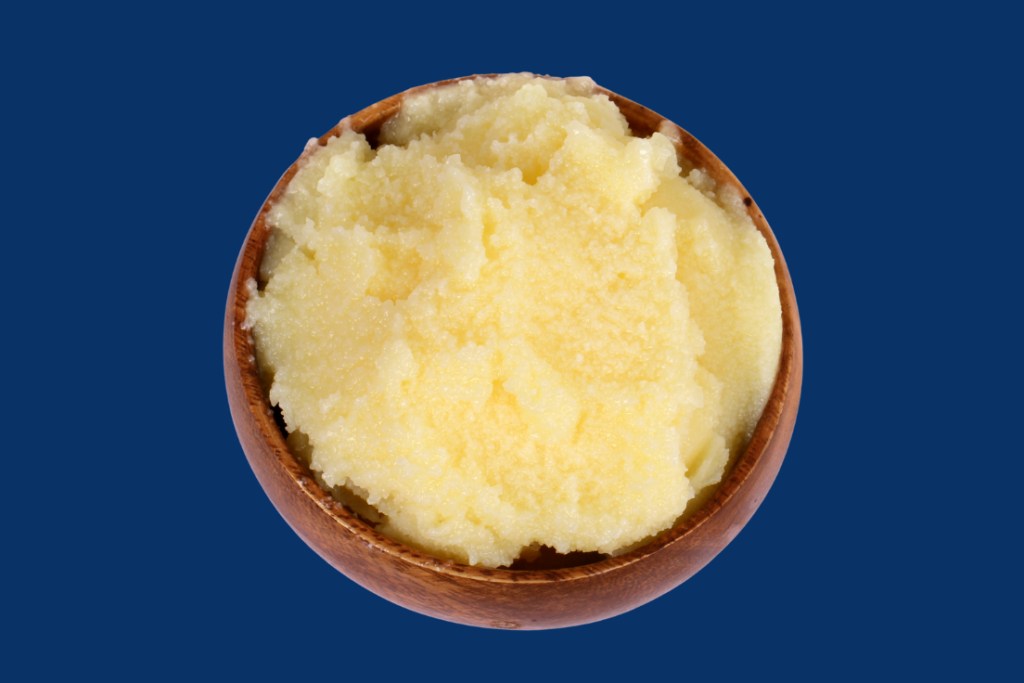
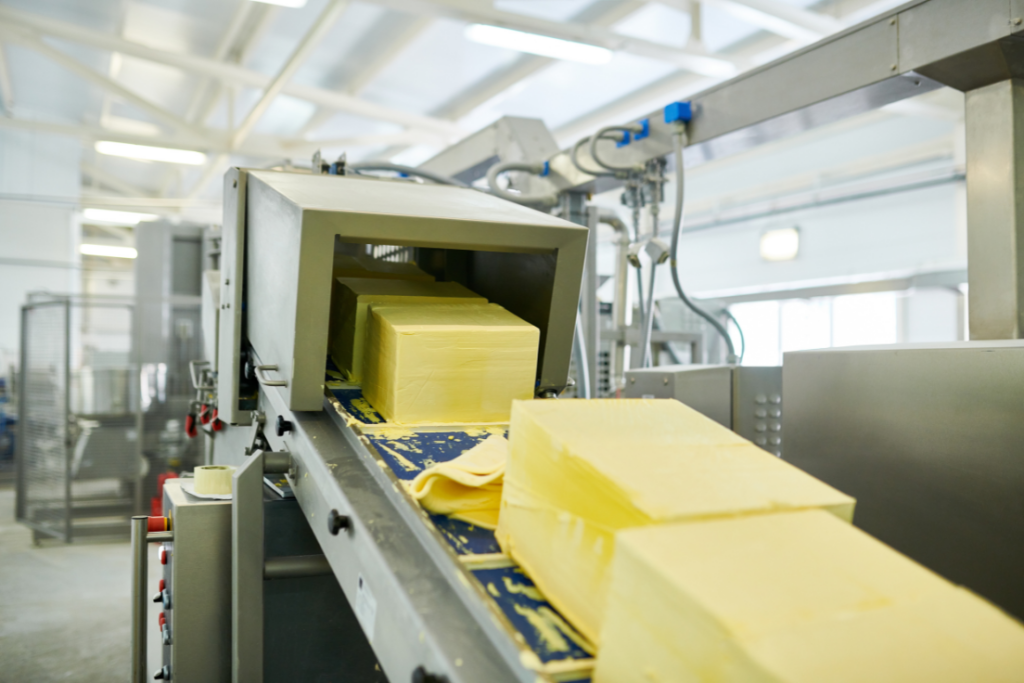
Butter is one of the most versatile and essential ingredients in the food service and manufacturing industries. From baked goods to sauces and spreads, butter plays a critical role in delivering flavour, texture, and functionality. But have you ever wondered how butter is made? Understanding the process can help you make informed decisions when sourcing butter for your business, especially when choosing between salted and unsalted varieties.
The Butter-Making Process
Butter starts with high-quality cream, typically separated from fresh milk. Here’s a simplified overview of the process:
- Cream Separation: Milk is centrifuged to separate cream from skim milk. The cream is then pasteurized to eliminate harmful bacteria.
- Churning: The pasteurized cream is churned, causing fat globules to clump together. This process separates the butterfat from the buttermilk.
- Washing and Working: The butter is washed to remove residual buttermilk, then worked to achieve the desired texture and consistency.
- Salting (Optional): Salt is added for flavour and preservation. This step determines whether the butter will be salted or unsalted.
- Packaging: Finally, the butter is shaped, packaged, and stored under controlled conditions to maintain freshness.
Salted vs Unsalted Butter: Which Should You Choose?
Salted and unsalted butter serve different purposes in food service and manufacturing:
Salted Butter: Ideal for applications where flavour enhancement and extended shelf life are priorities. Commonly used in spreads, sauces, and savory dishes.
Unsalted Butter: Preferred in baking and manufacturing where precise control over salt levels is essential. It allows chefs and manufacturers to maintain consistency in recipes.
For a deeper dive into the differences and their applications, check out our related blog on salted and unsalted butter.
Why It Matters for Health and Nutrition Industries
In health-focused food manufacturing, butter quality and composition are critical. Unsalted butter often appeals to brands aiming for lower sodium content, while salted butter can enhance flavour in ready-to-eat meals. Understanding these distinctions ensures your products meet consumer expectations for taste and nutritional value.
Partner with Maxum Foods for Your Butter Needs
At Maxum Foods, we supply premium salted and unsalted butter tailored for food service and manufacturing applications. Whether you’re creating baked goods, sauces, or health-conscious products, we have the right solution for you.
Ready to source high-quality butter for your business? Contact our sales team today and discover how Maxum Foods can support your success.